A line of ants across a Gastonia kitchen counter looks like a small problem until you spray it. The trail disappears for an hour, then comes back thicker, or splits into two trails that reach the pantry by a different route. That pattern is not bad luck. It is how an ant colony defends itself, and it explains why the can under the sink often makes a kitchen infestation last longer instead of ending it.
Most kitchen ants in Piedmont homes are foragers from a colony that lives somewhere else, often outside in soil, mulch, or a wall void. Only a small share of the colony ever walks your counter. Killing the ants you can see does very little to the queen and the brood back at the nest, and with some species a repellent spray does something worse: it tells the colony to split.
Why repellent spray can spread the problem
Common household sprays are repellents. Ants detect the residue and avoid the treated strip, which feels like success while the line is gone. Underneath that, the colony is still feeding, still growing, and now looking for a new way in. With species that form multiple queens, stress from a repellent can trigger budding, where the colony breaks into smaller groups that nest in new spots. One trail on the counter can become nests in two walls.
Spray also breaks the scent trail in the worst possible way. Foragers lay a chemical path from food back to the nest. When that path is wiped out in the middle, returning ants wander, lay new paths, and explore cabinets and drawers they had not reached before. Homeowners often describe exactly this: fewer ants on day one, ants in new places on day three.
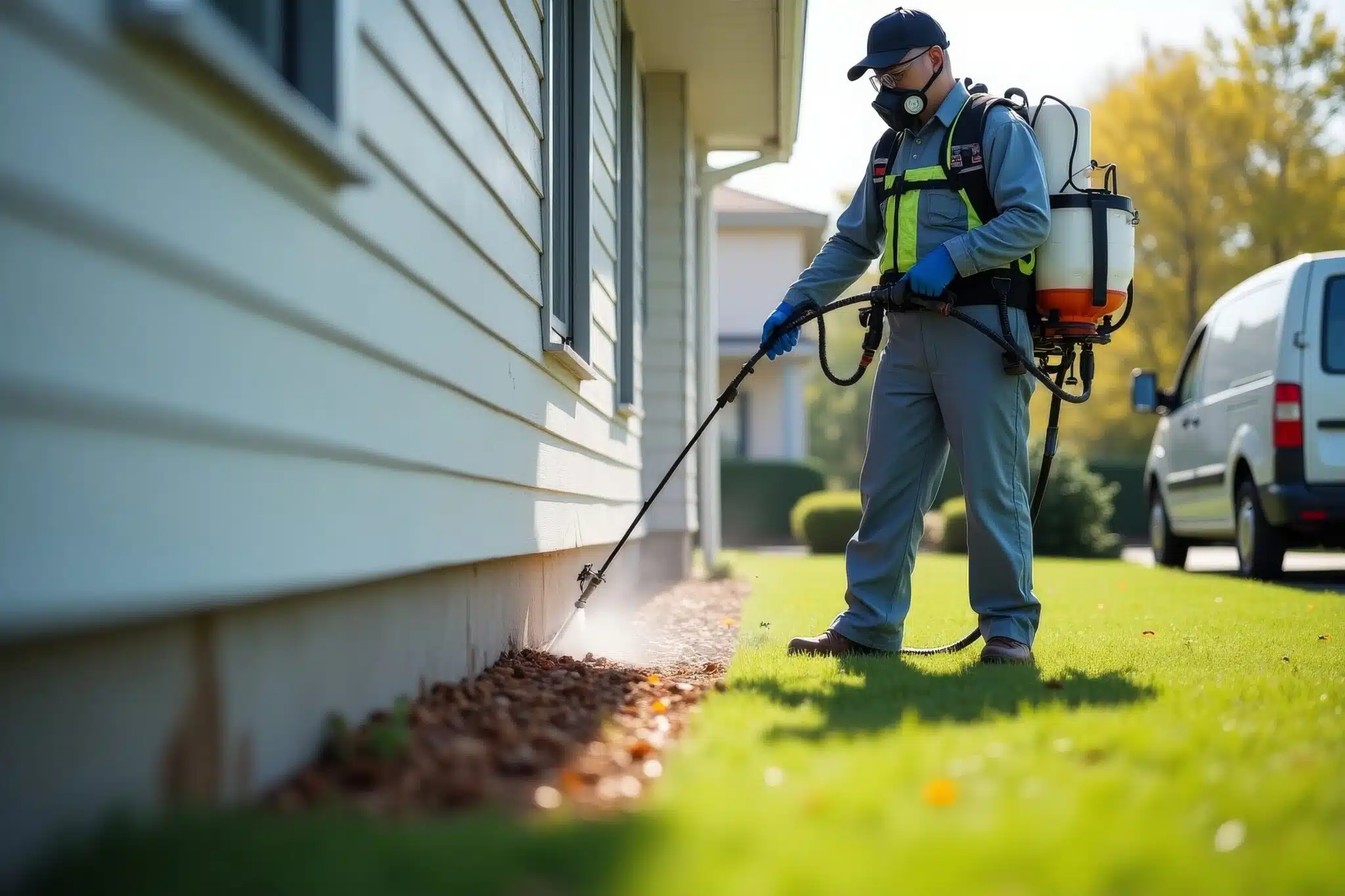
Bait works differently, and slower on purpose
Bait is built to be carried, not to kill on contact. Foragers pick up a slow-acting bait, share it with nestmates through feeding, and bring it back to the queen. The delay is the point. A bait that killed instantly would only kill the ants that touched it, the same problem spray has. Because bait looks slow, people often spray over it or clean it up too early, which ruins the one method that reaches the nest.
Bait placement matters more than bait quantity. A small amount placed on the active trail, near entry points, and away from spray residue works better than a large amount scattered at random. Competing food shuts bait down, so crumbs, pet food left out overnight, and a sticky spot under the toaster can all outdraw the bait station. Cleaning up competing food is not just tidiness. It is part of the treatment.
The side-by-side picture
The table below sets the main options next to each other so the trade-offs are plain. No single tool wins in every kitchen, but the colony logic stays the same: reach the nest, or the trail returns.
| Approach | What it does | Speed | Main drawback |
|---|---|---|---|
| Repellent spray | Kills and repels ants on contact | Fast, hours | Can split colonies and reroute trails |
| Gel or liquid bait | Carried back and shared through the colony | Slow, days to weeks | Fails if competing food or spray residue is nearby |
| Non-repellent treatment | Ants cross it unknowingly and transfer it to nestmates | Moderate, days | Needs correct placement along travel routes |
| Sealing and sanitation alone | Removes food, water, and entry points | Gradual | Rarely ends an established colony by itself |
For a light, brand-new trail, sanitation plus bait is often enough. For trails coming from multiple walls, or ants that return season after season in the same kitchen, a professional treatment that combines non-repellent products with bait tends to hold up better than either one alone.
Sealing the way in
Follow a trail before you treat it. Ants in Gastonia kitchens commonly enter where pipes and wires pass through walls, along window frames with cracked caulk, and through gaps under exterior doors. Sealing those points with caulk or a door sweep does not kill a colony, but it forces foragers onto fewer, more predictable routes, which makes bait and treatment placement far more effective.
Outside, trim branches that touch the roof or siding, since they act as a bridge that bypasses any ground treatment. Move mulch a few inches back from the foundation where it stays damp. Fix the slow drip under the sink, because water draws ants as reliably as sugar does. These steps sound minor, and each one on its own is minor. Together they change whether a treatment has to work once or has to be repeated all summer.
What to expect in the first two weeks
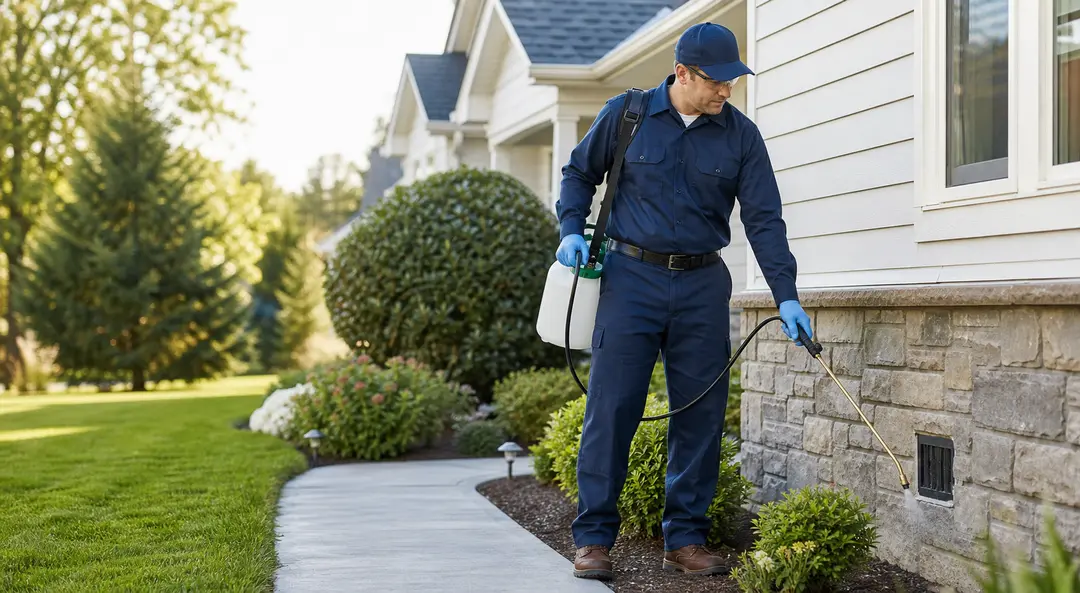
With bait, expect activity to rise slightly at first as more foragers find it, then taper. That early rise is the treatment working, not failing. Keep pets and small children away from bait placements, leave the stations alone, and resist spraying the trail while bait is active. If activity has not dropped clearly after about two weeks, or if you are seeing large carpenter ants and piles of coarse sawdust-like material near wood, the problem is a different species or a nest inside the structure, and it needs a closer look from a service such as All-Pro Pest Management rather than another can of spray.
Common questions
Should I clean up the ant trail with cleaner right away?
Wiping the trail removes the scent path, which can scatter foragers. If bait is out, leave the trail area alone until activity drops, then clean thoroughly to remove residue and food odors.
Are the tiny ants in my kitchen the same as carpenter ants?
No. Small pavement and odorous house ants are nuisance feeders, while carpenter ants are much larger and nest in damp wood. Size, plus any sawdust-like debris, is the quickest way to tell them apart.
Why do ants come back every spring in the same spot?
The colony often overwinters nearby and reuses the same entry points and food routes when temperatures warm. Sealing those entry points in late winter, before foraging peaks, prevents the repeat more reliably than treating after the trail forms.
Photos in this guide are representative stock images.
← All guides from All-Pro Pest Management← Back to All-Pro Pest Management