On a warm evening in Gastonia, mosquitoes can clear a back porch in ten minutes. The usual response is to schedule a yard spray and hope the next cookout goes better. Sprays help for a short window, but they are not where most of the mosquitoes are coming from. The majority hatch within a short walk of your chair, in water so shallow you may not notice it at all.
Mosquitoes need standing water to breed. Females lay eggs on or near water, larvae develop in it for about a week in warm weather, and adults emerge ready to bite. Remove the water and you remove the next generation. Leave the water and no spray schedule can keep up, because new adults keep arriving from your own yard. The claims below sort out what holds up and what does not.
Myths, facts, and the in-between
| Claim | Verdict | Why |
|---|---|---|
| Dumping standing water weekly stops most breeding | Fact | Larvae need several days in water to mature, so a weekly dump breaks the cycle before adults emerge |
| A yard spray alone solves mosquitoes for the season | Myth | Sprays kill adults on contact and fade; they do not stop eggs and larvae in water from producing new adults |
| Citronella candles protect a whole patio | It depends | They help within a few feet in still air and do little across a yard or in a breeze |
| A fan on the porch makes a real difference | Fact | Mosquitoes are weak fliers, and moving air disrupts their flight and disperses the carbon dioxide they track |
| Bat houses and bug zappers control yard mosquitoes | Myth | Bats eat many insects but not enough mosquitoes to control a yard, and zappers mostly kill harmless insects |
| Clogged gutters can breed mosquitoes | Fact | Debris holds shallow water for days after rain, an ideal and often overlooked breeding site overhead |
The standing water audit
Walk the yard slowly after rain and look low. Saucers under planters, a tarp folded over firewood, a wheelbarrow left upright, toys, a clogged corrugated drain end, and the hollow top of a fence post can all hold enough water. Tip, drain, or store items upside down. Drill drainage where a container must stay outside and cannot be tipped. Scrub birdbath sides when you refresh the water, because eggs cling to the surface above the waterline.
Do not forget the less obvious spots Piedmont yards collect: low areas where red clay holds puddles for days, leaf-filled drainage swales, and air conditioner condensate that drips into a shaded, soggy corner. French drains and dry wells that stay wet at the outlet deserve a look too. A five-minute audit each week during mosquito season prevents more bites than any single product.

What perimeter treatments actually add
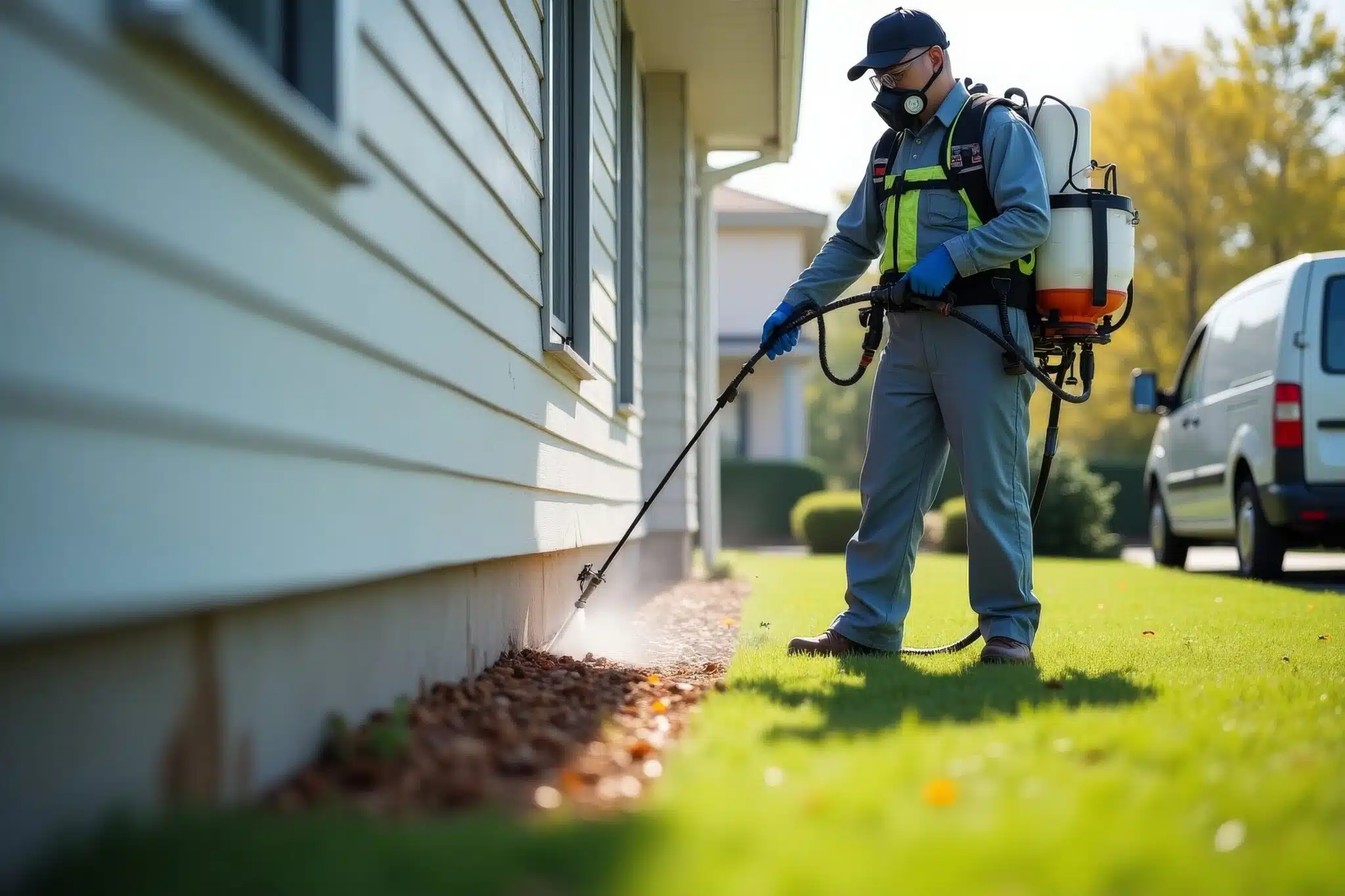
A professional perimeter or barrier treatment targets adult mosquitoes resting in shrubs, ivy, and shaded foliage during the day. It lowers the number of adults present for a period, which matters most before a gathering or during peak weeks in midsummer. It works best as the second layer, after source reduction, because it is fighting a smaller and slower-replaced population.
Timing and coverage decide how much a treatment helps. Dense shade planting holds mosquitoes through the hottest part of the day, so treating only open lawn misses them. Rain and new growth shorten how long a treatment stays effective. Expect a reduction, not an empty yard, and expect the benefit to fade if breeding water returns.
Making the porch itself harder to bite on
A simple box fan or ceiling fan changes the porch more than most gadgets do. Set the fan to move air across the seating area, not just above it. Wear repellent for yard work at dawn and dusk, when the most common local species feed most actively. Long sleeves treated or chosen for outdoor work help in garden beds where fans cannot reach.
Screens deserve a quick check each spring. A torn porch screen or a gap at the door sweep gives mosquitoes indoor access all night. Repair is cheap in effort compared with a season of bites, and it protects the one space source reduction cannot fully cover.
A realistic yard routine
Weekly: dump and scrub small containers, check gutters after storms, and refresh birdbath water. Monthly: walk drainage paths, clear leaf dams, and look at the shaded corners where water lingers longest. Before an outdoor event: run fans, mow and trim dense growth near seating, and consider whether a professional treatment from a service such as All-Pro Pest Management is worth adding for that week. That order, sources first and spray second, is the whole strategy.
Common questions
How much water does it take for mosquitoes to breed?
Very little. A bottle cap of water can support larvae, and common containers like plant saucers and tarp folds hold far more than the minimum. If water stands for most of a week, assume it can breed.
Do mosquito treatments harm bees and butterflies?
Any broad insecticide can affect other insects if it contacts them or lands on blooms. Avoid treating flowering plants, apply when pollinators are least active, and rely on source reduction to lower how much treatment you need.
Why are mosquitoes worse after a heavy rain week?
Rain fills containers, gutters, and low spots at the same time, so a large group of eggs hatches together. About a week later those larvae become biting adults, which is why the worst evenings often follow the rain rather than matching it.
Photos in this guide are representative stock images.
← All guides from All-Pro Pest Management← Back to All-Pro Pest Management