A roach seen in daylight in a Gastonia kitchen usually means many more are hidden where you cannot see them. German cockroaches, the small tan kind that gather near sinks and appliances, live close to food and water and reproduce fast. The products sold most loudly for them are often the least useful, and the quiet methods that actually reduce a population rarely look dramatic on day one.
Start by sorting what you are seeing from what it means. One large roach that wandered in from outside after rain is a different problem from dozens of small roaches, egg cases in cabinet hinges, and pepper-like droppings behind the refrigerator. The first needs exclusion and a quick cleanup. The second needs a plan. This guide works from the symptom toward the cause, then toward the fix.
Step one: confirm the species and the scale
German cockroaches are about half an inch long, light brown, with two dark stripes behind the head. They cluster in warm, tight spaces: under sinks, inside appliance motors, in the folds of cardboard boxes. American cockroaches are much larger, reddish brown, and more often come up from crawl spaces, sewers, and mulch beds. Treatment that works well for one can waste weeks on the other, so identification comes first.
Look at night with a flashlight. Check under the sink, behind the stove, and inside the cabinet where trash sits. Note where droppings and egg cases concentrate. That map tells you where gel bait belongs and where sanitation will matter most.
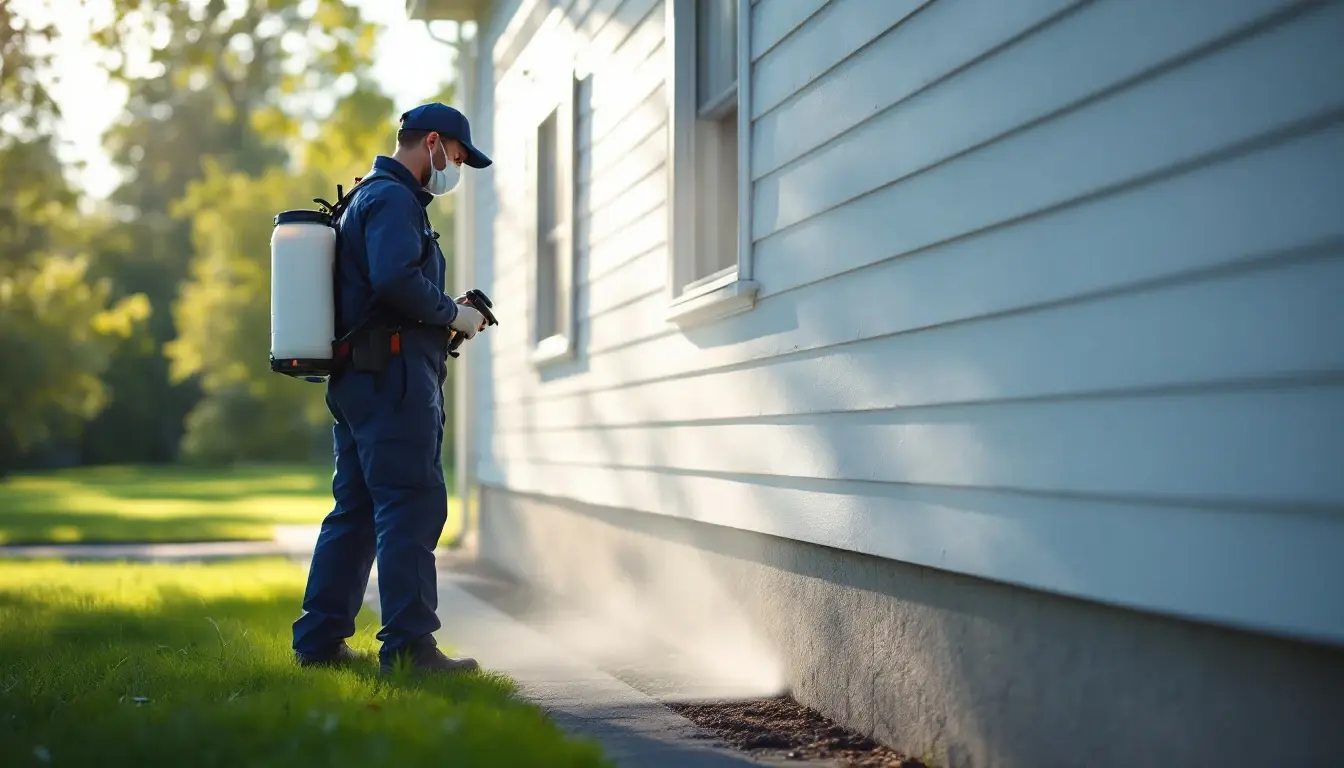
What actually reduces a German roach population
Gel bait is the workhorse for German cockroaches. Small dabs placed in cracks, hinges, and voids where roaches travel get eaten and shared, and modern baits also affect roaches that feed on droppings and dead nestmates. Bait keeps working in the hiding places a spray cannot reach. It fails when it is placed in the open, when too many competing food crumbs are nearby, or when a repellent spray is used over it and drives roaches away from the bait.
Sanitation is the other half, and it is specific rather than general. Wipe grease from the stovetop and the wall behind it, since grease film is food. Empty the crumb tray, take trash out nightly during an infestation, fix the drip under the sink, and do not leave pet water and food out overnight. Vacuuming helps more than most people expect: a crevice tool run along baseboards and behind appliances physically removes roaches, egg cases, and the droppings that feed young roaches.
The troubleshooting sequence
- Identify the roach. Measure roughly, note the color and stripes, and photograph one if you can do so safely. Small and striped points to German cockroaches and an indoor breeding population.
- Map the hot spots. At night, check the sink base, stove back, refrigerator motor area, and trash cabinet. Mark where droppings and egg cases are heaviest.
- Remove water and food competition. Fix leaks, dry the sink area overnight, seal food in hard containers, and clean grease from cooking surfaces before bait goes down.
- Vacuum the harborages. Use a crevice tool in cracks, hinges, and behind appliances, then empty the vacuum outside right away so nothing crawls back out indoors.
- Place gel bait correctly. Apply pea-sized dabs in cracks and hinges near the hot spots, not in open lines on counters, and keep bait away from any spray residue.
- Hold off on foggers and broad sprays. Give bait two to three weeks of steady conditions, refreshing dabs that have dried out or been eaten, before judging the result.
- Recheck and decide. If sightings drop steadily, keep sanitation tight for another month. If you still see many roaches in daylight after three weeks, call for professional treatment.
What is mostly theater
Foggers, often called bug bombs, are the clearest example. The mist settles on open surfaces where roaches do not live, and barely penetrates the cracks where they do. Worse, the repellent effect scatters German cockroaches deeper into walls and into rooms that were clear. Ultrasonic plug-in devices have no solid evidence behind them for roaches. A heavy perimeter spray indoors has a similar problem: it can contaminate bait placements and push the population around instead of reducing it.
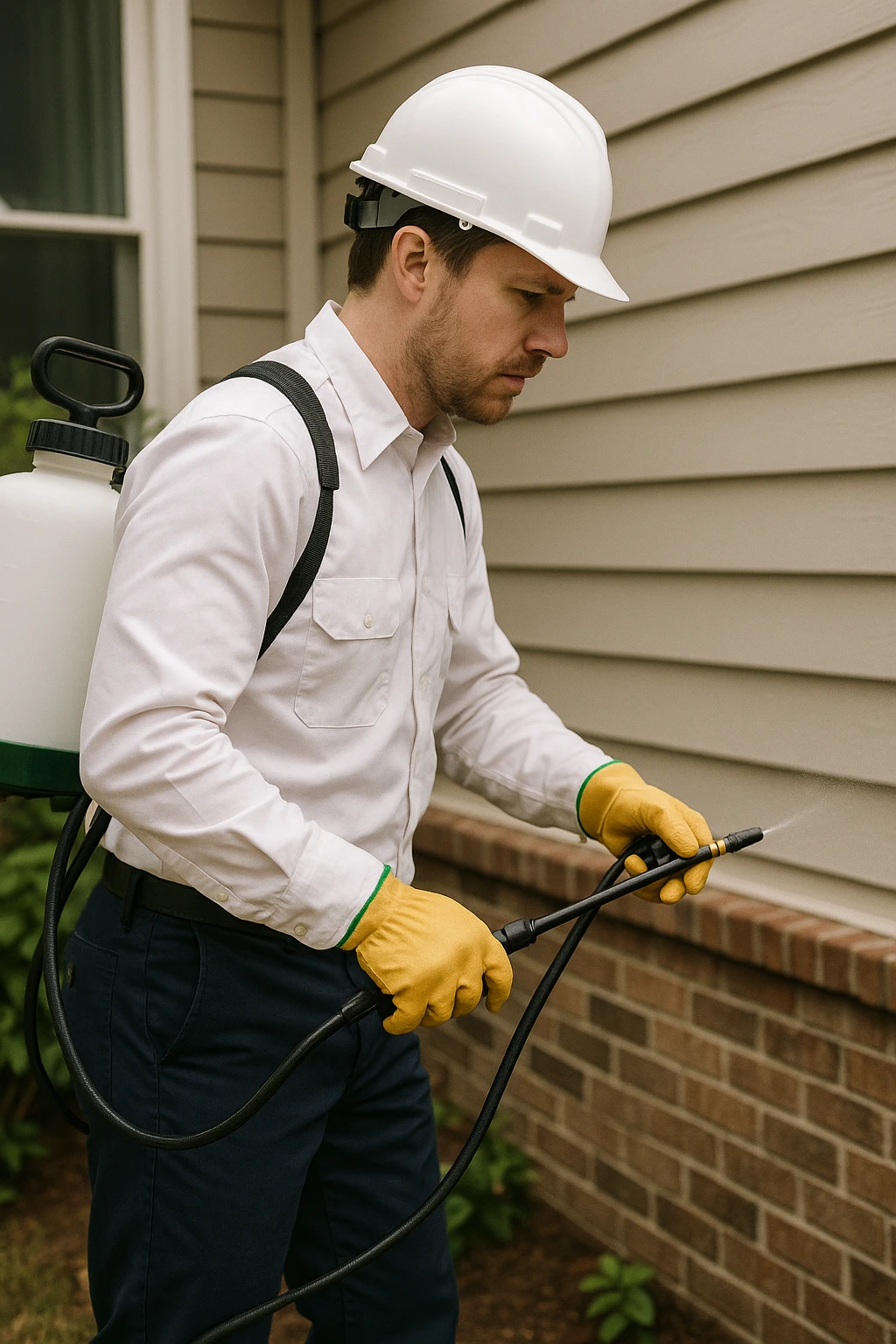
That does not mean sprays have no place. Exterior treatment and crack-and-crevice work by a professional can help with the large outdoor species that enter from mulch and crawl spaces around Gastonia homes. The distinction is placement and purpose, not a blanket rule against every liquid product.
When to stop troubleshooting and call
Call sooner rather than later if anyone in the home has asthma that flares around droppings, if roaches are in a nursery or in food storage that cannot be emptied, or if the infestation spans multiple rooms. German cockroaches also develop resistance to some bait ingredients over time, so a bait that worked in another home may underperform in yours. A service such as All-Pro Pest Management can rotate bait types and add growth regulators that stop young roaches from maturing, which is a layer most retail products do not offer.
Common questions
Why do I see more roaches right after I set out bait?
Bait draws roaches out of hiding to feed, so sightings can rise for a few days. That increase usually means the bait is being found, and numbers should fall over the following two weeks.
Can I use a fogger just once to knock them down fast?
It is not recommended for German cockroaches. Foggers rarely reach harborages, leave residue on food surfaces, and tend to scatter the population into new rooms, making bait work harder afterward.
How long until a kitchen is clear?
A moderate German roach infestation typically takes several weeks of baiting and strict sanitation to collapse, because egg cases keep hatching. Steady decline week to week is the sign the plan is working.
Photos in this guide are representative stock images.
← All guides from All-Pro Pest Management← Back to All-Pro Pest Management