Nearly every Gastonia home has spiders, and nearly all of them are doing quiet, useful work eating other insects. Two species in North Carolina deserve genuine respect and a careful response. The rest deserve to be left alone or moved outside, not feared. Sorting one from the other, calmly and by season, prevents both needless panic and the one mistake that matters: reaching into a dark corner where a widow is guarding an egg sac.
Identification by photo alone is unreliable, since many harmless brown spiders look alike at a glance. Use location, web shape, and body shape together. When in doubt, do not handle the spider. Photograph it from a distance and compare the markers below, or have it identified in person.
The two that matter
The black widow is the spider to know best in the Piedmont. Females are glossy black with a red hourglass marking under the abdomen, and they build irregular, tangled webs low to the ground in woodpiles, meter boxes, crawl space corners, and under stones. Widows are shy and bite mainly when trapped against skin, for example inside a glove left in the garage. A suspected widow bite with spreading pain or muscle stiffness needs prompt medical care.
The brown recluse gets blamed for far more than it does. Its established range centers west and north of North Carolina, and confirmed populations here are uncommon, though individual spiders do turn up, sometimes moved in boxes and furniture. A recluse is light brown with a darker violin-shaped mark behind the head and six eyes in pairs, a detail that needs magnification to see. Most brown spiders found in local homes are harmless look-alikes such as spitting spiders and common house spiders.
The harmless majority
Orb weavers, including the large yellow garden spider, build the classic round webs in shrubs and porch corners in late summer and fall. They look dramatic and are harmless to people. Wolf spiders hunt on the ground and are often seen in garages and on patios; they are fast, hairy, and not web builders. Jumping spiders are small, curious, and common on window frames. Cellar spiders, the long-legged kind in basement corners, eat other spiders and insects and almost never bite.
House spiders earn their keep. A home with a moderate spider presence usually has fewer flying insects indoors, because the webs are working every night. Removing every web and spider often increases the insect problem that drew them in the first place.
A year in spider season
| Season | What you will notice | Sensible step |
|---|---|---|
| Spring | Young spiders dispersing, webs appearing in garages and crawl spaces | Shake out stored gloves, boots, and boxes before use; clear clutter from corners |
| Summer | Widow activity peaks in sheltered outdoor spots; wolf spiders active at night | Use gloves for woodpiles and stone work; keep firewood stacked away from the house wall |
| Late summer to fall | Large orb weaver webs in shrubs and porches; spiders seek indoor shelter | Leave outdoor orb webs alone where they do not block a path; seal door and window gaps |
| Winter | Indoor cellar and house spiders most visible; outdoor activity low | Reduce indoor insect food sources, vacuum corners, and relocate harmless spiders rather than spraying |
Reducing indoor spiders without overdoing it
Spiders follow food and shelter. Declutter the garage and basement corners where boxes sit undisturbed for months, vacuum webs and egg sacs along ceiling edges, and reduce the insects they feed on by fixing screens and cutting exterior light spill that draws prey to windows. Outdoors, move woodpiles and stored items a short distance from the foundation and shake out anything that sat through the season.
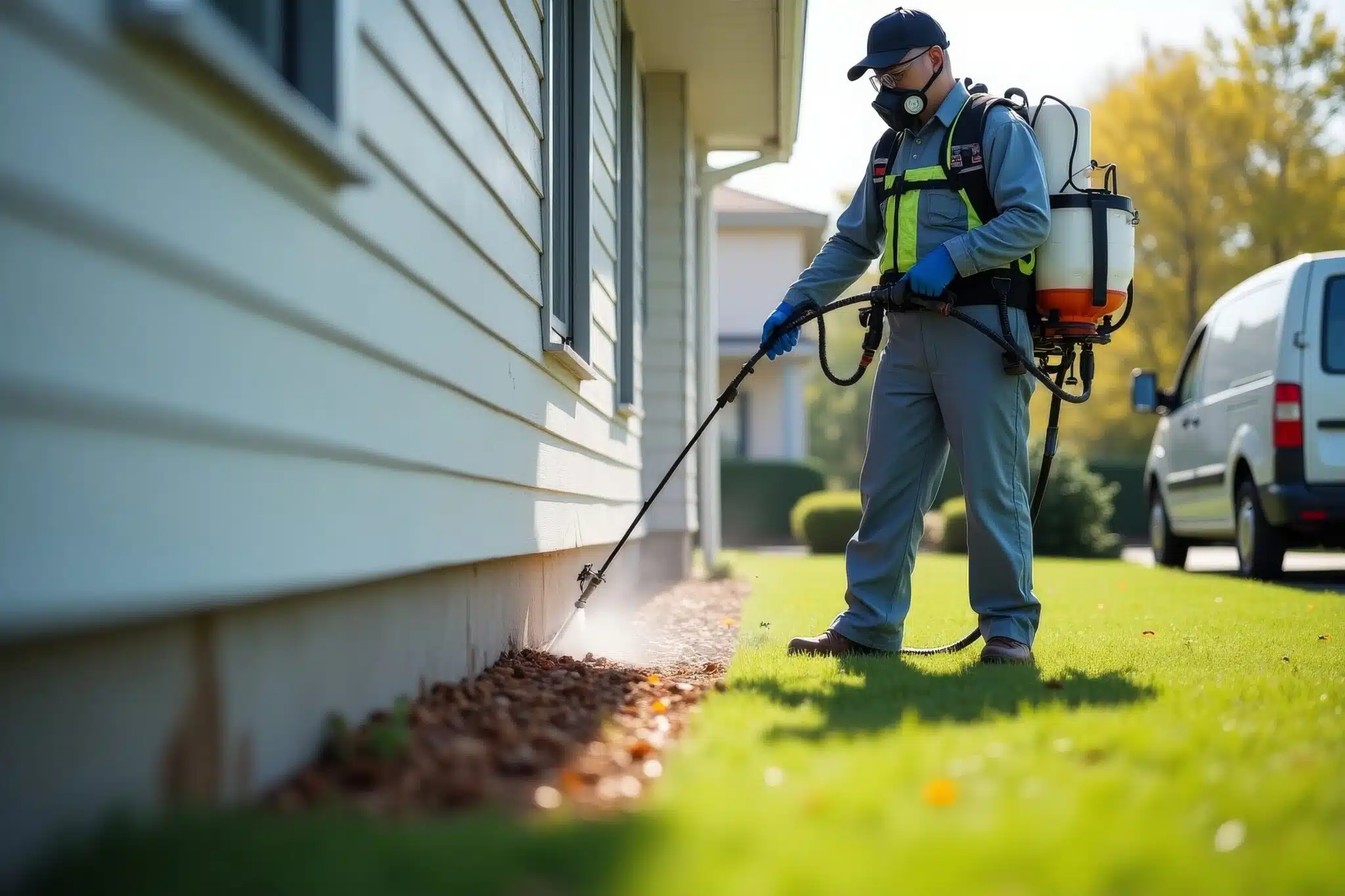
Reserve targeted treatment for the places widows actually live: meter boxes, crawl space entries, and cluttered storage. A general spray across a living room does little for spiders, since they do not groom the way roaches and ants do and pick up less residue from surfaces. Services such as All-Pro Pest Management focus spider work on harborages and entry points for exactly that reason.

If you are bitten
Most spider bites are actually skin reactions to something else, and most real bites heal like a mild bee sting. Wash the area, apply ice, and watch it for two days. Seek care promptly for a bite you saw a widow deliver, for spreading redness or a sore that grows rather than shrinks, or for muscle pain and stiffness after working in a woodpile or crawl space. Bring a photo of the spider only if you can get one without another bite risk.
Common questions
Is every black spider in my garage a black widow?
No. Several harmless black spiders live in garages, and male widows are smaller and patterned rather than glossy black. Look for the low tangled web and the red hourglass, viewed without touching the spider.
Should I have my Gastonia home sprayed just for spiders?
Usually not as a blanket treatment. Decluttering, vacuuming harborages, and sealing gaps reduce indoor spiders more reliably, with targeted treatment reserved for widow locations outdoors and in storage areas.
Do brown recluse spiders live in Gastonia?
Confirmed established populations are uncommon in this part of North Carolina, and most suspected recluses turn out to be harmless brown spiders. Get an in-person identification before assuming a recluse, and never rely on a bite wound to identify the spider.
Photos in this guide are representative stock images.
← All guides from All-Pro Pest Management← Back to All-Pro Pest Management